Schamroth test helps detect finger clubbing, a possible sign of serious health conditions
Doctors explain how a simple finger check can reveal changes linked to lung, heart, and digestive diseases

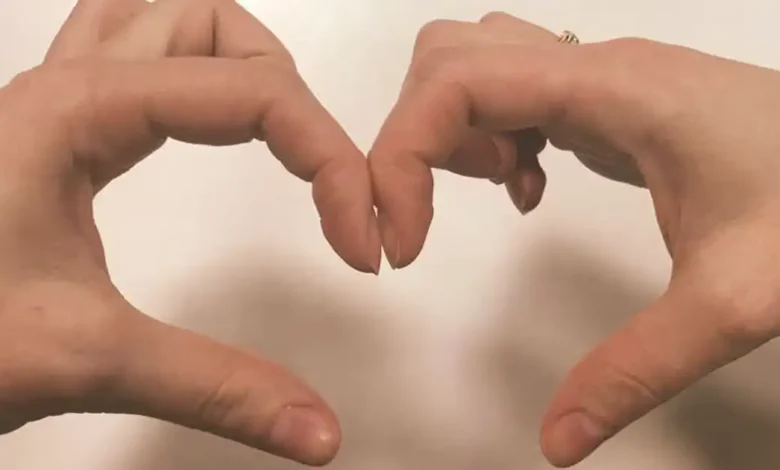
The Schamroth window test is a quick visual check that can help identify finger clubbing, a physical sign sometimes linked to chronic illnesses like lung cancer, heart disease, and gastrointestinal conditions.
The Schamroth window test is a simple, non-invasive way to check for finger clubbing. The test is named after Dr. Leo Schamroth, a South African cardiologist who demonstrated the technique using his own hands.
To do the test, place the nails of your two index fingers together. Normally, a small diamond-shaped gap appears between the nail beds. If the gap is missing, it may suggest finger clubbing.
What is finger clubbing?
Finger clubbing, also known as digital clubbing, refers to visible and physical changes in the shape of the fingers and nails. This includes:
- Fingertips that appear swollen or bulbous
- Nails that curve more than normal, especially downward
- Nail beds that feel soft or spongy
- A shiny appearance or warm feeling around the nails
Finger clubbing usually develops over time and may occur in several stages. Doctors check for these changes during physical exams when they suspect a chronic condition.
The exact cause of finger clubbing isn’t fully understood. However, it is believed to be linked to long-term low oxygen levels in the blood, also known as hypoxemia. This may lead to changes in blood flow and tissue growth at the fingertips.
Finger clubbing can be associated with several medical conditions, especially those that affect the lungs, heart, or digestive system. These include:
- Lung diseases, such as lung cancer, pulmonary fibrosis, cystic fibrosis, bronchiectasis, and asbestosis
- Heart conditions, such as congenital heart defects and infective endocarditis
- Gastrointestinal and liver diseases, including cirrhosis, Crohn’s disease, and inflammatory bowel disease (IBD)
Not everyone with these conditions will develop clubbing, and not everyone with clubbing has a serious disease. In some cases, finger clubbing can be inherited and unrelated to illness.
The Schamroth test can help people notice possible changes in their fingers, but it is not a diagnostic tool. If the diamond-shaped gap is missing, it does not confirm a specific illness. It’s a warning sign that may prompt further medical evaluation.
As oncology nurse Emma Norton explained in an interview with HuffPost, “If you can’t see any kind of gap beneath your nail beds, this means that your fingers are clubbed—you should visit your GP as soon as possible.”
Early detection of underlying conditions—especially those involving the lungs or heart—can make a difference in outcomes. Doctors will typically follow up with imaging, blood tests, or other assessments to determine the cause.
While the Schamroth window test is a simple technique, it can bring attention to changes in the body that might otherwise go unnoticed. If you spot signs of finger clubbing, it’s best to speak with a healthcare professional. Regular checkups and awareness of small physical changes are key steps in protecting your health.